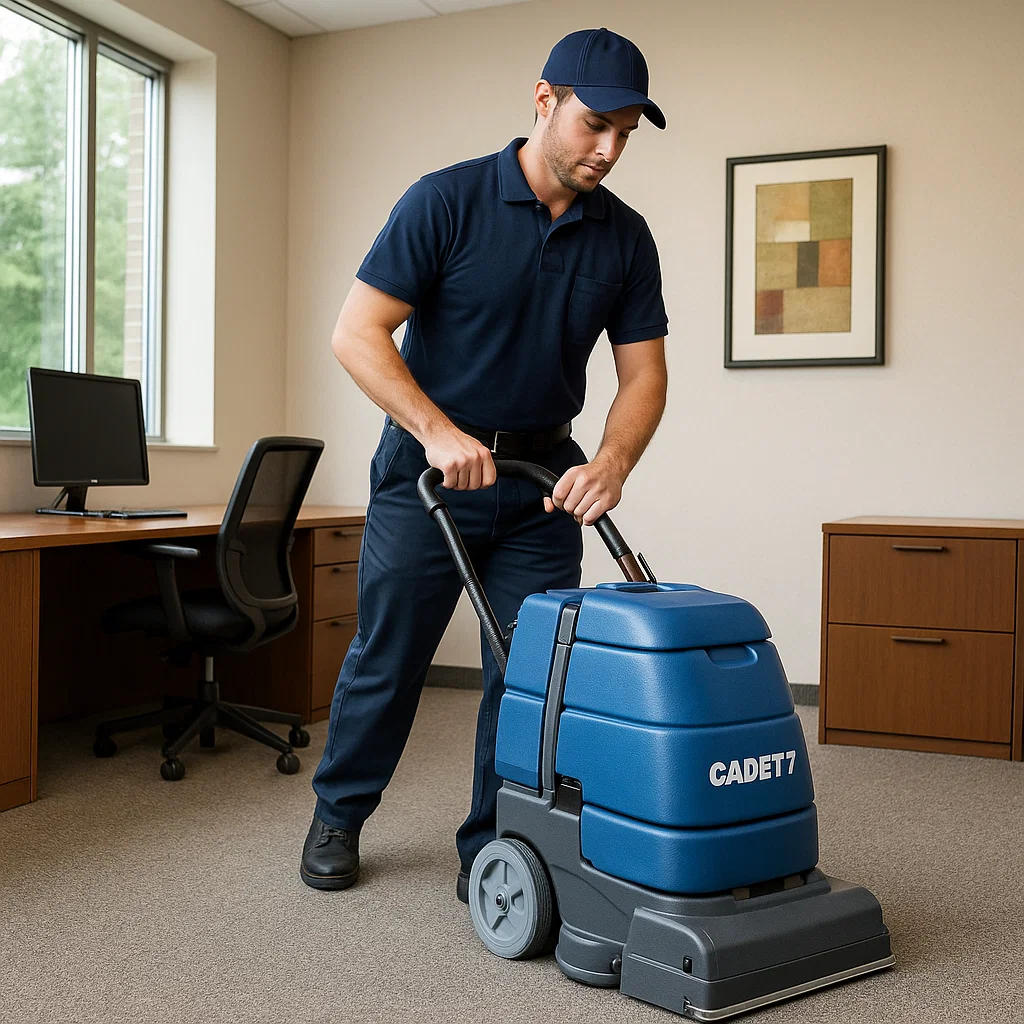
Carpet can contribute to a healthier home when it’s properly maintained—it holds dust and allergens in place until you remove them. The formula is simple: consistent vacuuming with good filtration, fast spot care, and periodic deep cleaning. Here’s how to set up an effective, doable routine.
Periodic professional cleaning removes the fine soils and residues that vacuums can’t capture. The result is carpet that looks better, feels softer, and is easier to keep clean day to day. Allergy‑sensitive households often prefer a 6–12‑month cycle in bedrooms and living areas.
Allergy control is cumulative. Alongside carpet care, replace HVAC filters on schedule and consider professional duct cleaning when dust build‑up or renovation debris is an issue. Cleaner ducts can lower airborne dust that settles into carpet and furniture.
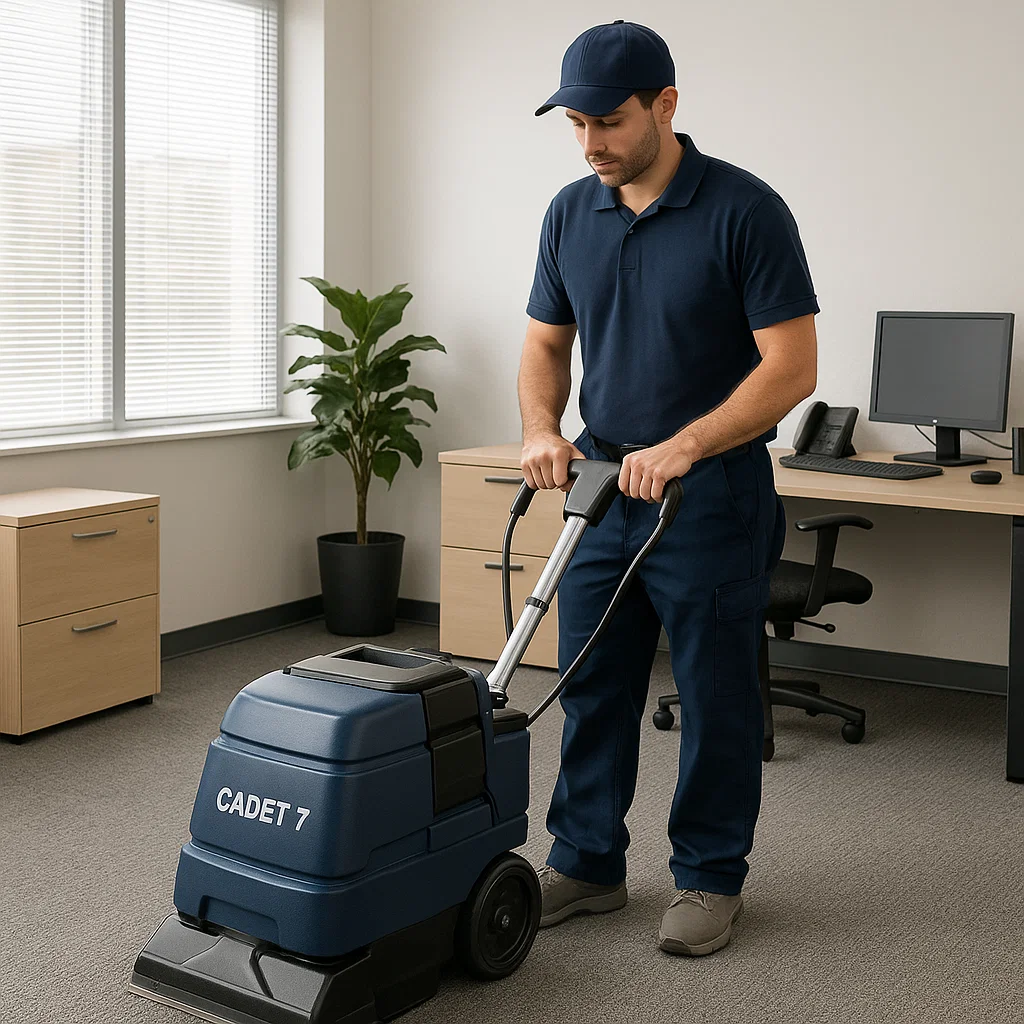
Because we spend so much time in bedrooms, start your routine there. Vacuum floors slowly two to three times a week, launder bedding in hot water, and encase pillows and mattresses. A professional deep clean in bedrooms every 6–12 months helps remove fine dust and residues that settle between fibers.
Dust and dander settle on upholstery and drapery, too. Add a weekly vacuum of fabric furniture and periodic professional upholstery cleaning to your plan. Keep vents clean and change HVAC filters on schedule so less dust lands on freshly cleaned carpet.
Improve air flow with fans and, weather permitting, open windows. Keep foot traffic light until completely dry and leave protective tabs under furniture until advised to remove. A quick post‑clean vacuuming within a day or two lifts any groomed‑in fibers and keeps the “just cleaned” look longer.
Pro Tip: Consistency wins. The homes that stay freshest aren’t doing complicated routines—they’re doing simple habits week after week, then resetting everything with a professional deep clean.
A vacuum with strong filtration helps keep fine dust in the machine instead of the air. Pair that with routine deep cleaning so residues don’t build up in fibers.
Carpet or hard floors—what’s better? Both can work. With good maintenance, carpet can hold particles in place until you remove them, which some families prefer in bedrooms and living areas.
Do fragrances help? Fragrances mask; ventilation and proper cleaning remove. Ask for low‑residue, fragrance‑free products if you’re sensitive.
Carpet, upholstery, and air systems share dust. If couches and drapes haven’t been cleaned in a while, they can re‑deposit fine particles into carpeted rooms. A coordinated plan—upholstery + carpet + clean filters—keeps rooms fresher for longer.
Use a high‑quality outdoor mat plus a low‑pile indoor mat. Clean both weekly. You’ll be surprised how much grit and pollen you stop at the door with this small habit.
If vacuuming and spot care no longer restore the look you expect, it’s time for a professional reset tailored to your carpet fibers and household sensitivities. Tell us your goals—we’ll pick products and rinse processes accordingly and focus on your highest‑use rooms first.
Ten extra minutes a week—vacuuming two high‑traffic lanes and wiping returns—often delivers the biggest comfort boost in allergy‑sensitive homes. Keep the routine light so it sticks.