Disinfectant Fogging • How It Works
Disinfectant Fogging: How ULV Fogging Works (and When You Need It)
Disinfectant fogging can be a smart add-on when you need broader coverage in a space—especially after illness, during flu season, or before move-in. But it’s not a substitute for cleaning. This guide explains ULV fogging, the difference between cleaning vs disinfecting, and what a safe, reliable fogging plan should include.
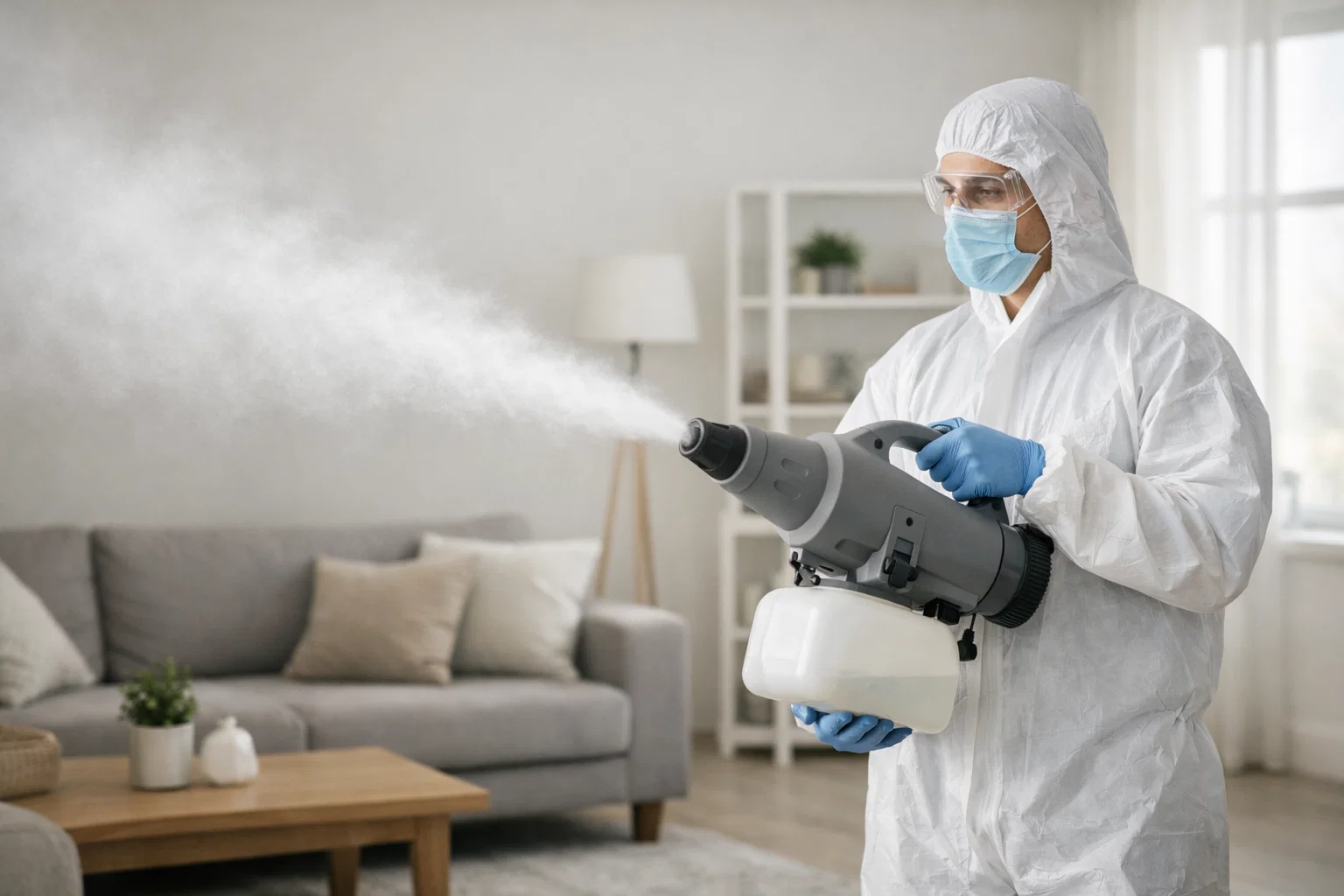
Big idea: Disinfecting works best on clean surfaces. A reliable plan starts with targeted cleaning of high-touch areas, then fogging with label-guided chemistry, proper dwell time, and ventilation.
Jump to what you need
What ULV fogging is (and what it isn’t)
ULV stands for Ultra-Low Volume. In plain terms, it means applying a disinfectant as very fine droplets so it can reach broad surface areas without soaking the space. ULV fogging is best viewed as a coverage tool, not a “replace cleaning” button.
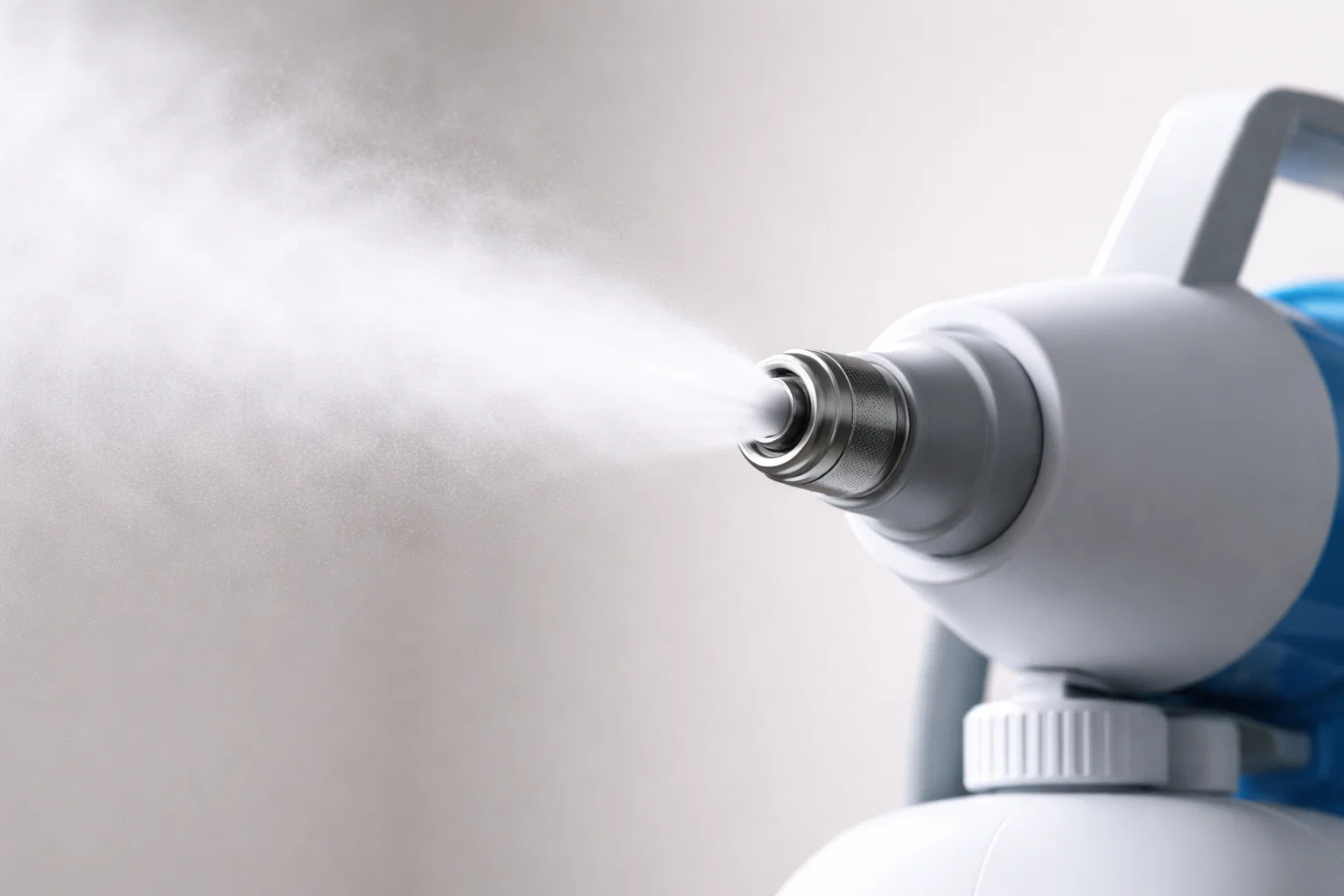
What fogging does NOT do: It doesn’t remove dirt, grease, or grime. If a surface is soiled, disinfectants can’t work as intended. That’s why cleaning first is non-negotiable.
Cleaning vs disinfecting: the difference that matters
People often use these words interchangeably, but they’re different steps. Cleaning removes dirt and reduces germs by physically removing them. Disinfecting uses chemicals to kill germs remaining on surfaces. For most situations, you get the best results by cleaning first, then disinfecting targeted areas.
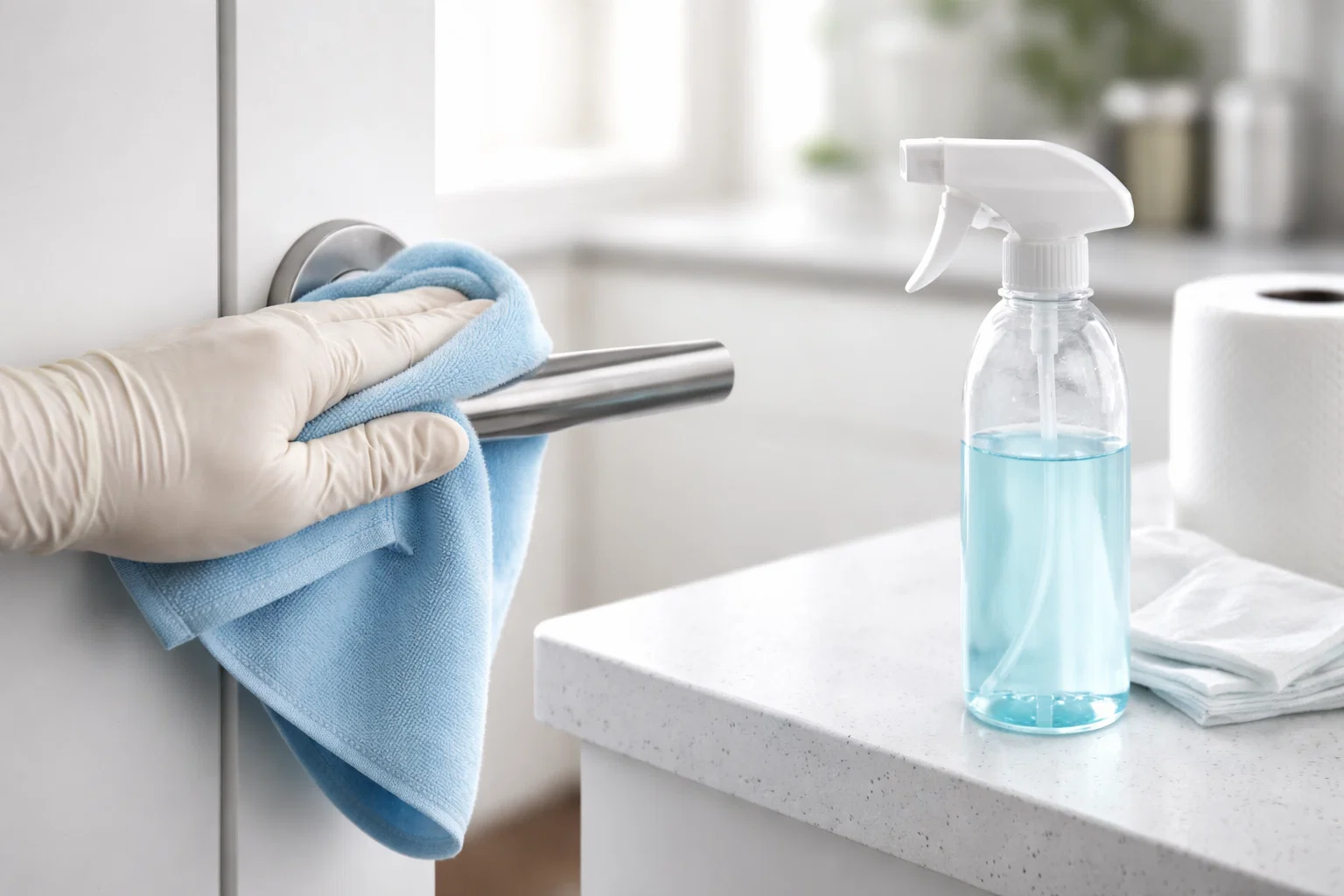
Why “clean first” improves outcomes
- Soil blocks chemistry: grime can shield germs from disinfectants.
- Better contact: disinfectants need surface contact and label dwell time.
- Less residue risk: correct prep reduces streaking and sticky films.
When disinfectant fogging makes sense
Fogging is most useful when you want efficient coverage across a space as an added layer—especially in shared environments. Here are common scenarios where it’s often considered:
- Flu season: shared offices, waiting rooms, schools, and common areas.
- Post-illness cleanup: after someone has been sick in the home or workplace.
- Move-in / move-out: extra reset before new occupants arrive.
- After gatherings: when many people have used the same rooms and surfaces.
- High-touch, high-traffic spaces: lobbies, break rooms, gyms, conference rooms.
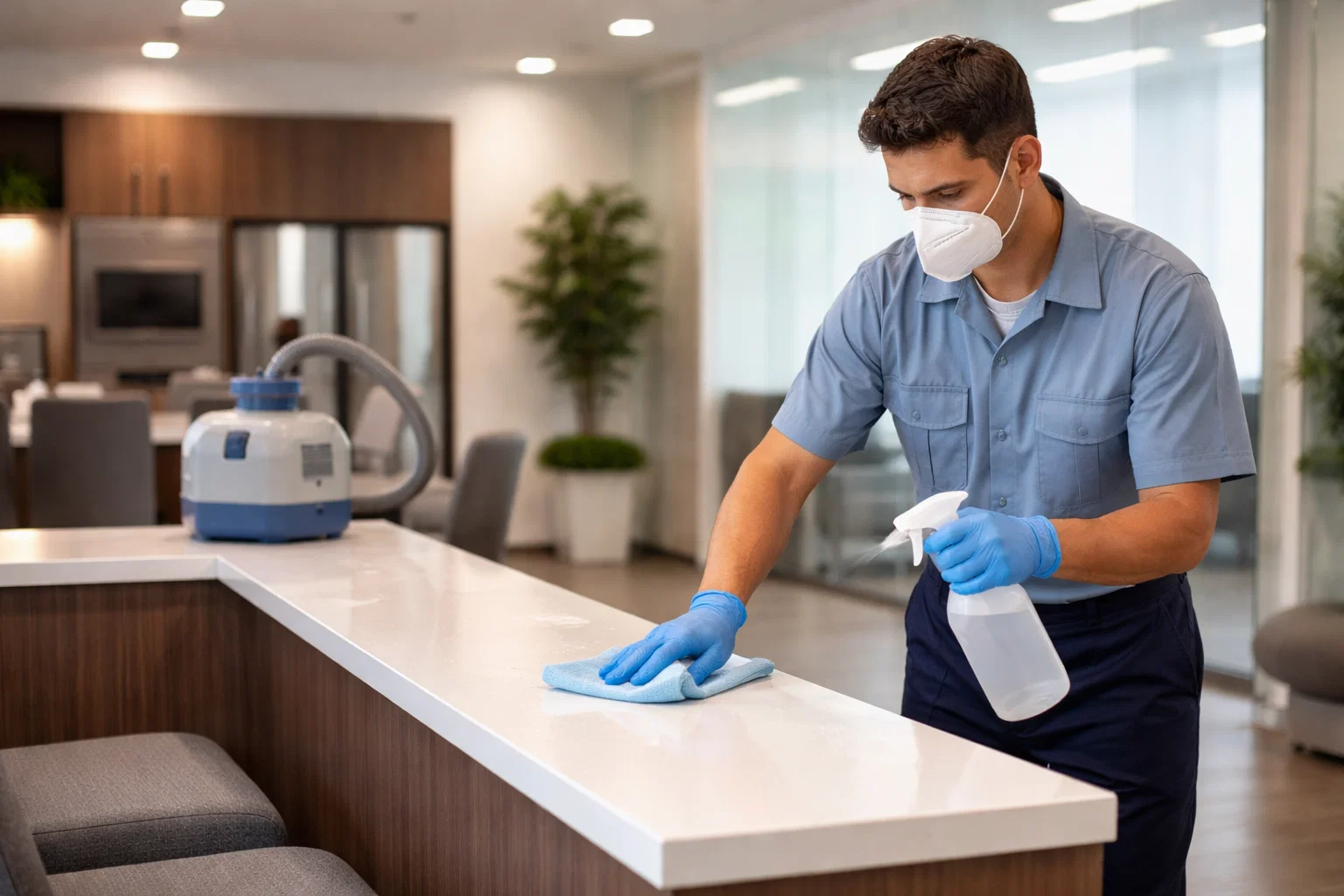
Post-illness
Focus on high-touch surfaces first (handles, switches, remotes, counters), then consider fogging for broader coverage.
Move-in reset
A clean + disinfect plan can be especially helpful when you don’t know how thoroughly a space was maintained before.
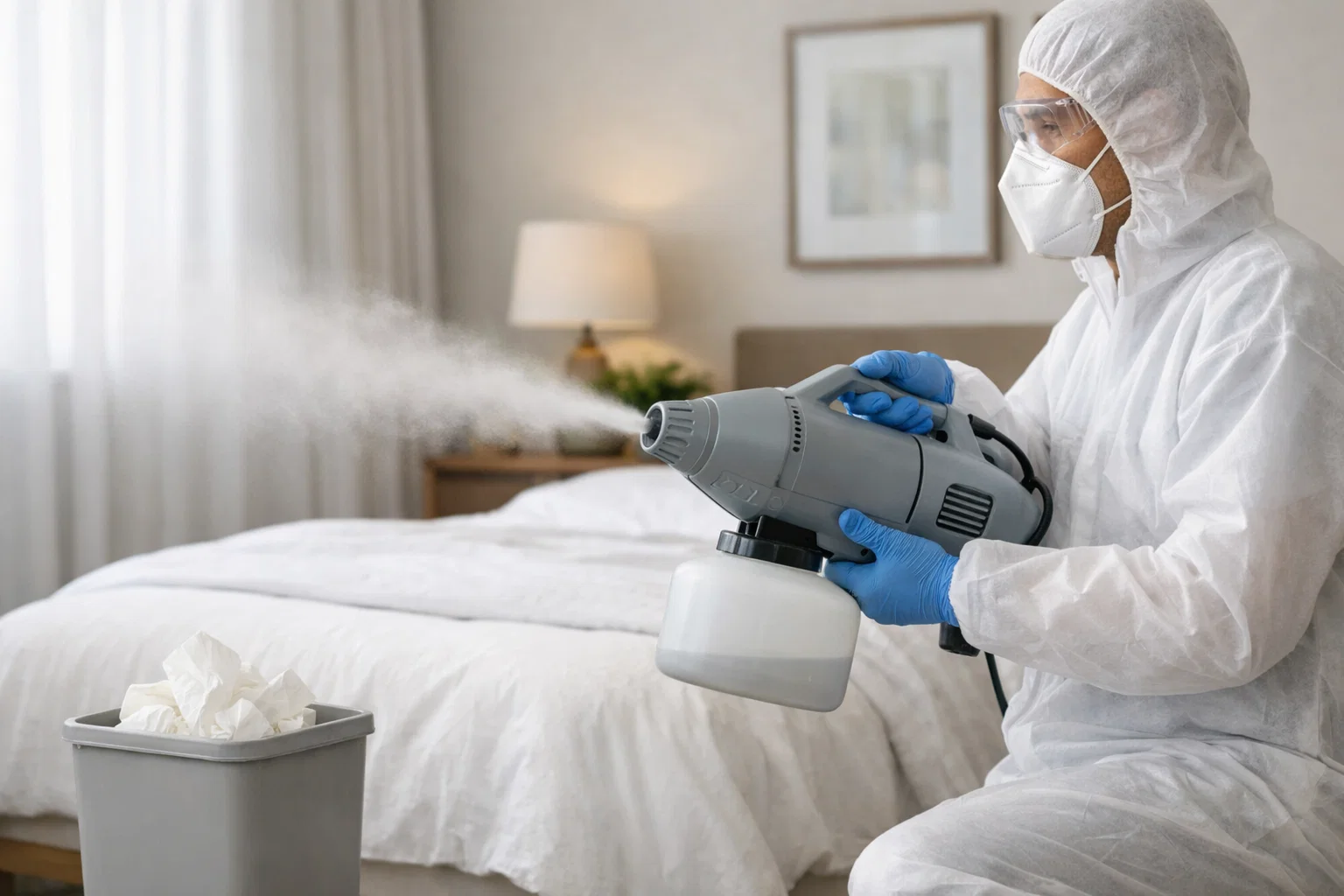
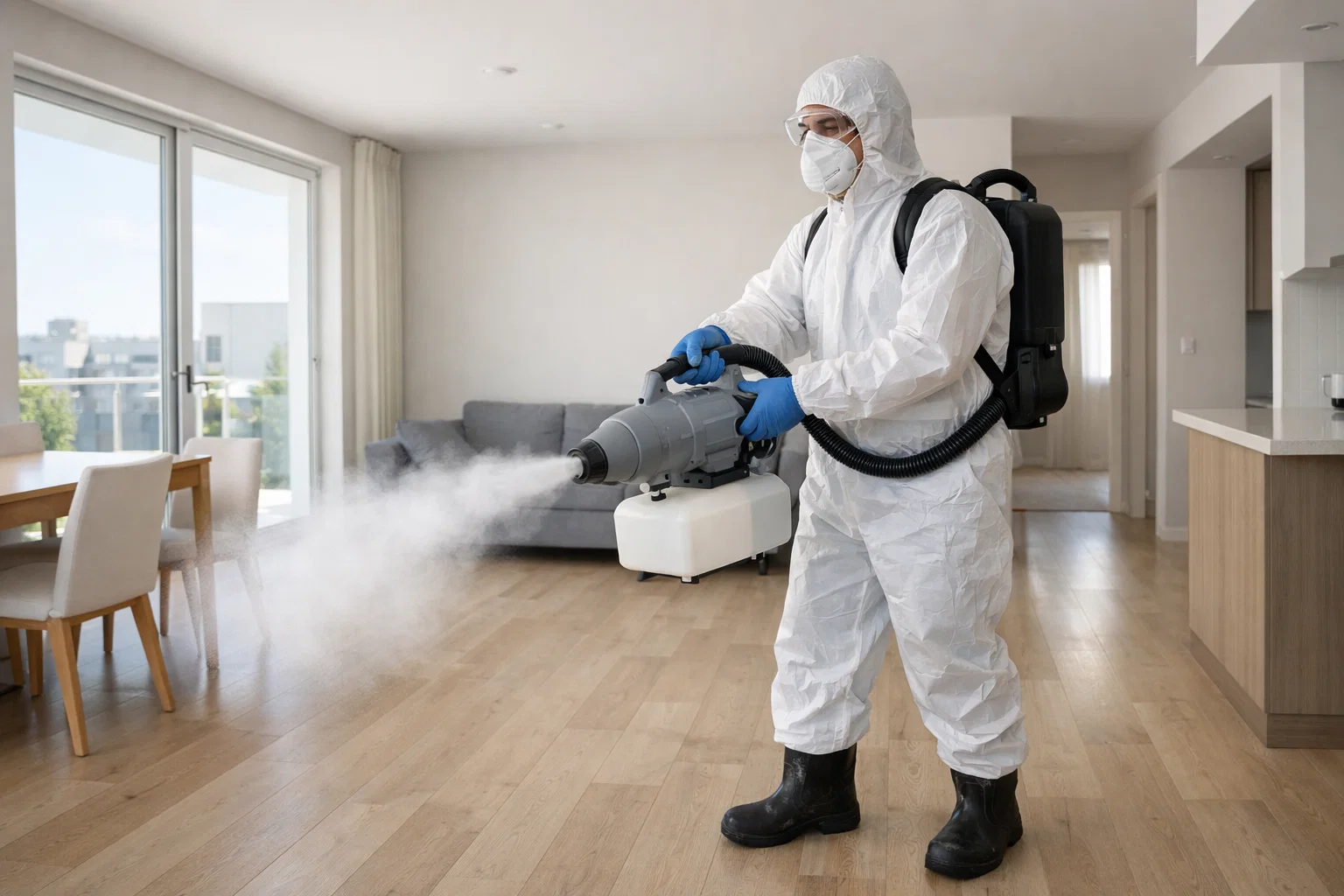
A safe, reliable fogging process (what to look for)
A professional fogging job should be label-guided, methodical, and focused on safety. A responsible plan includes pre-cleaning high-touch areas, fogging with a product used according to label guidance, observing dwell time, and ventilating the space before normal use.
- Pre-clean high-touch areas. Remove grime so disinfectant can do its job.
- Prepare the space. Identify sensitive items and confirm any precautions.
- ULV fog application. Apply disinfectant as a fine mist for broad surface coverage.
- Dwell time. Let the product remain as directed to work effectively.
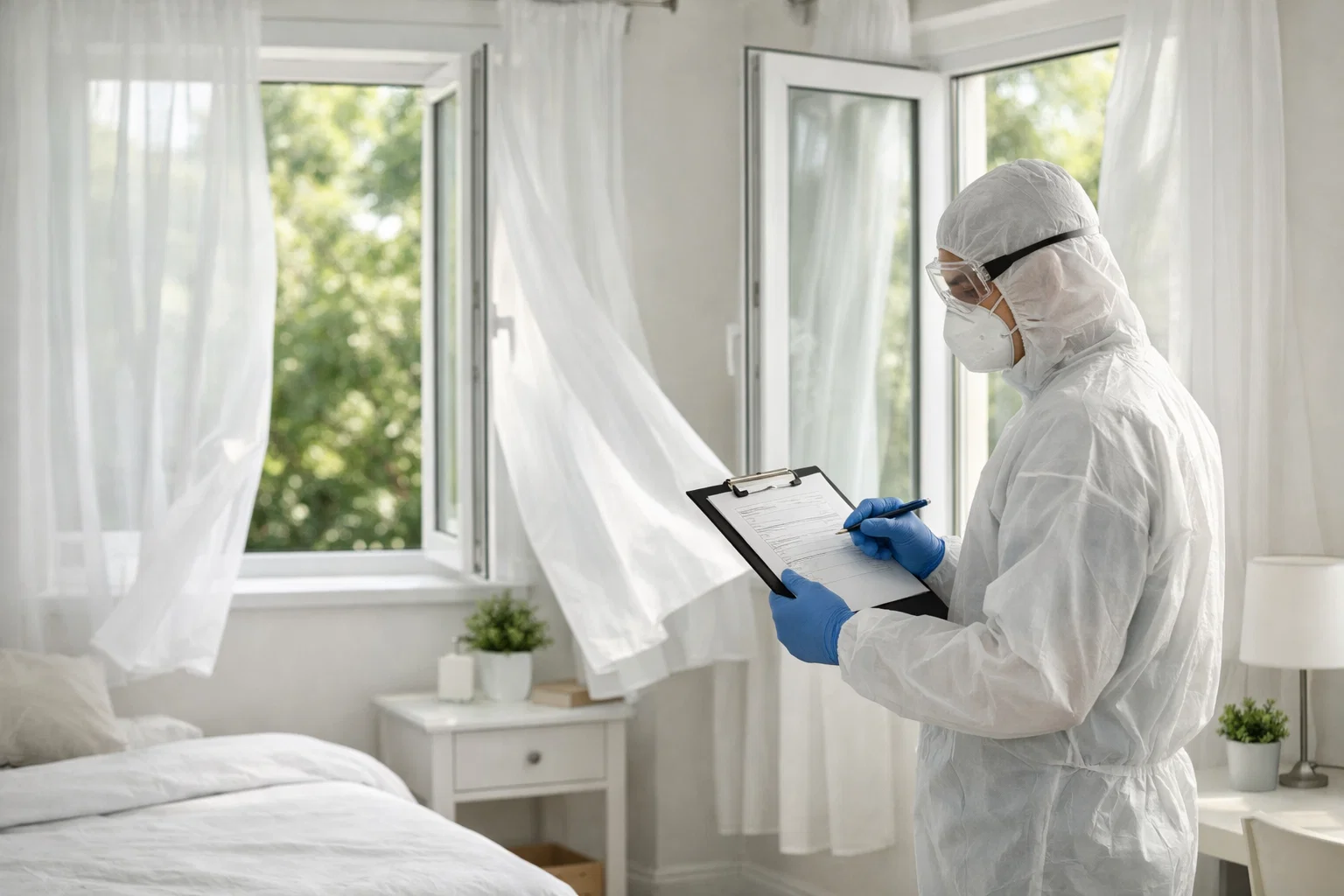
- Ventilation & re-entry guidance. Ventilate the space before normal use.
Internal link: Want details on Angelo’s fogging service? Disinfectant Fogging Services .
Safety checklist (people, pets, ventilation)
Fogging should always follow product instructions and safe handling practices. A good provider will set expectations clearly and prioritize safe re-entry.
- Use label-guided disinfectants and follow directions.
- Keep people and pets out during application and dwell time.
- Ventilate afterward to support safe re-entry.
- Don’t skip cleaning on soiled surfaces—clean first for effective disinfecting.
- Ask about sensitivity considerations if fragrance or chemical sensitivity is a concern.
Reliable service matters: Angelo’s focuses on dependable, customer-centered work—clear prep steps, careful execution, and practical guidance so you know what to expect before, during, and after service.
Quick decision guide: do you need fogging or just cleaning?
- If surfaces are dusty/greasy: start with cleaning—fogging alone is not the answer.
- If someone was sick: clean + disinfect high-touch points; fogging can add broader coverage.
- If it’s a shared space in flu season: fogging can support a recurring maintenance plan.
- If you’re moving in: a reset clean + disinfect plan can add peace of mind.
FAQ
Is disinfectant fogging the same as cleaning?
No. Cleaning removes dirt and reduces germs. Disinfecting uses chemicals to kill remaining germs on surfaces. Fogging is a way to apply disinfectant for broader coverage—but it does not replace cleaning.
Do I still need to wipe surfaces if I fog?
Often, yes—especially for visibly soiled surfaces. A reliable plan cleans high-touch areas first so disinfectant can contact surfaces properly and meet dwell-time requirements.
When is fogging most useful?
Common use cases include flu season in shared spaces, post-illness situations, and move-in resets—when you want broader disinfectant coverage across a room.
How long before we can use the space again?
Re-entry timing depends on the product used, dwell time, and ventilation. A professional service should guide you based on the space conditions.
Can fogging eliminate every germ?
No process can promise “every germ.” The goal is label-guided disinfectant application to lower risk on surfaces—paired with routine cleaning practices for best results.