Fresh airflow should smell like nothing at all—clean, quiet, and comfortable.
When allergies flare, it’s natural to look at the air you breathe. Air duct cleaning can be a helpful part of an allergy plan, but it isn’t magic—and it shouldn’t replace everyday habits that control dust at the source. This guide explains where duct cleaning helps, where it doesn’t, and the simple routines that make results last in real homes.
Where Duct Cleaning Does Help
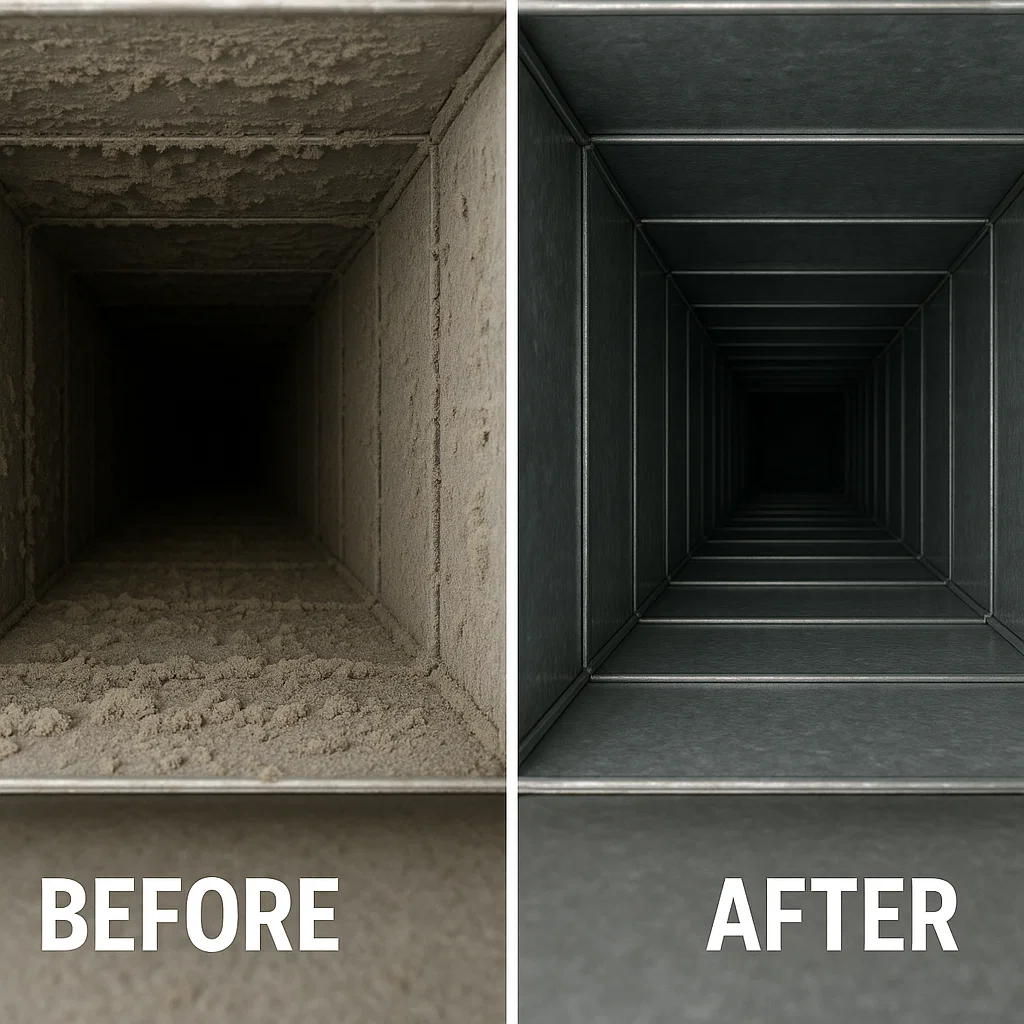
It removes accumulated dust and lint that’s already inside the supply trunk and branch lines. Those particles can get picked up and redistributed each time the blower runs.
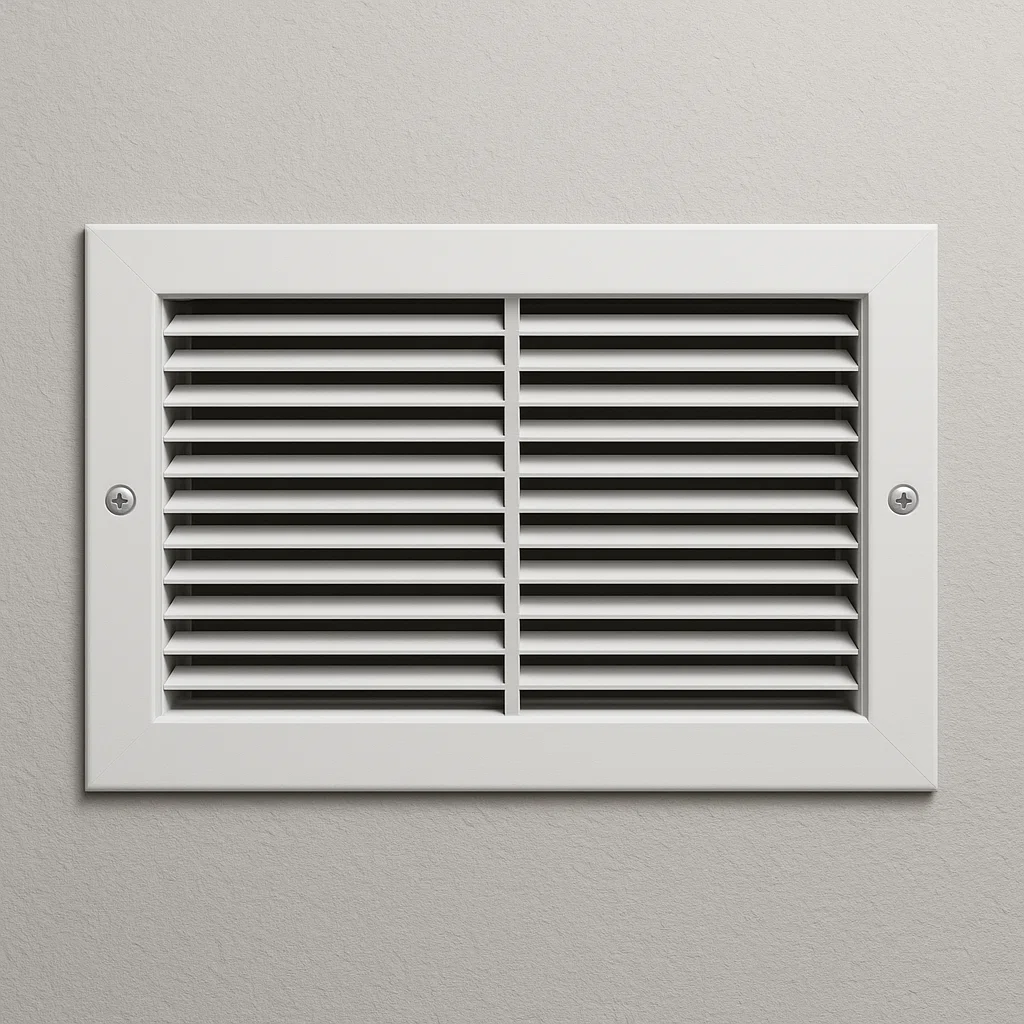
It resets registers and returns, two spots that collect a surprising amount of debris—especially in busy hallways and bedrooms.
It reduces stale odors that come from dust and light organic residues warming on metal ducts.
Where It Doesn’t
It won’t fix a filtration problem. If your filter is too basic or poorly sealed, dust will keep circulating. Ask about a properly sized, higher‑MERV option your system can handle.
It can’t remove moisture sources like a perpetually clogged condensate line or a whole‑home humidifier that’s set too high. Those need service adjustments.
It isn’t a substitute for routine cleaning. Carpets, rugs, and upholstery hold allergen reservoirs. Soil there will inevitably drift back into the air stream.
A Simple Allergy‑Smart Routine
Think of your home as an ecosystem. When each piece is tuned, the whole experience improves. Here’s a proven sequence to follow:
Upgrade filtration: If your blower can handle it, move to a MERV 11–13 filter with a tight gasket. Mark a calendar for changes.
Vacuum smarter: Two slow passes with a sealed HEPA vacuum beat four fast ones with any other machine. Focus bedrooms, living rooms, and walk‑off mats.
Control sources: Launder bedding weekly in hot water; use pet throws that can be washed; keep door mats clean inside and out.
Schedule duct cleaning: Use it to reset the system after filtration and floor care are dialed in—usually every 2–3 years for allergy‑sensitive homes.
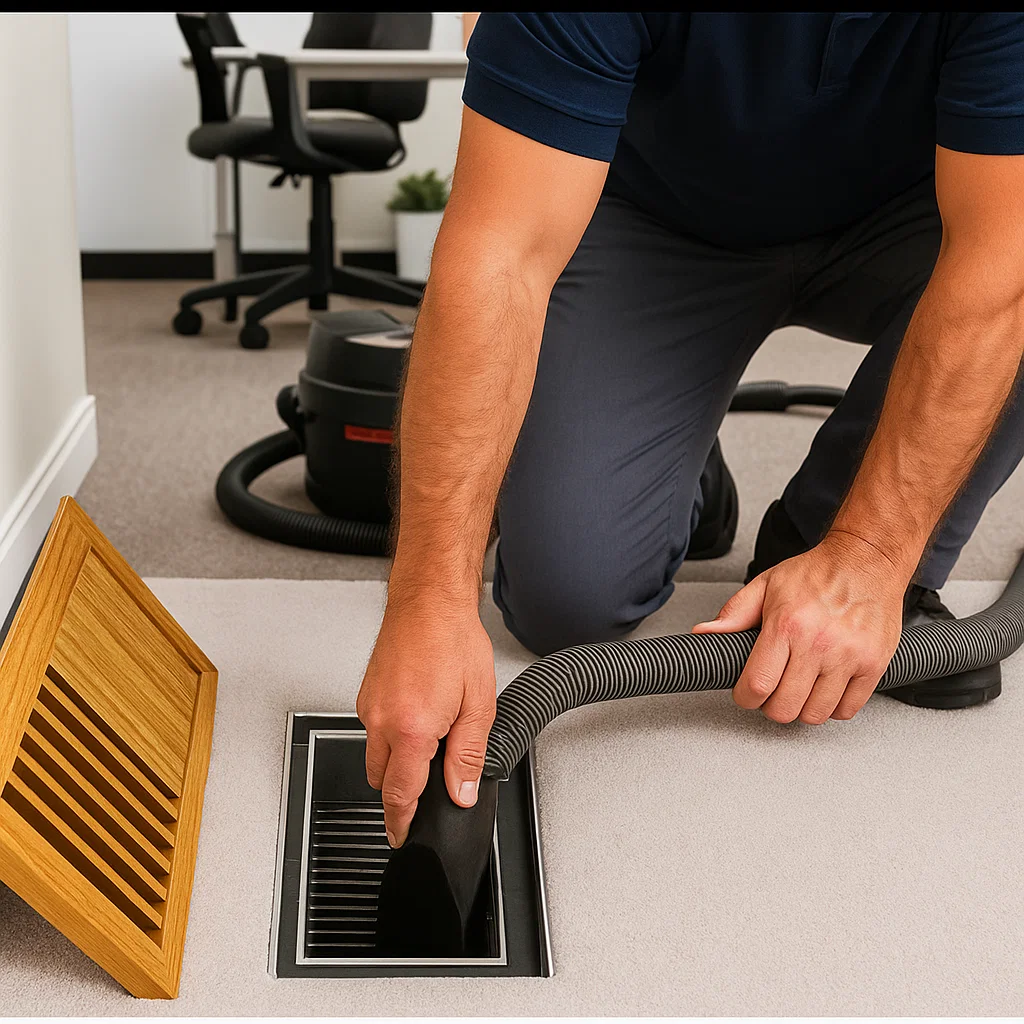
Sealed equipment keeps particulates contained.Removing fine dust reduces stale odors and re‑circulation.Returns and registers get a fresh start.
Timing Your Cleaning
Allergy patterns are personal. If spring tree pollen is your challenge, schedule a cleaning in late winter so the system starts the season spotless. If fall leaf mold is the trigger, book in late summer. Many families line up duct cleaning with professional carpet/upholstery care so everything resets together.
Pro tip: After cleaning, run the blower on “On” for an hour with a new filter installed. It helps collect any harmless residual dust shaken loose during the service.
Frequently Asked Questions
Will duct cleaning cure my allergies?
It rarely “cures” allergies on its own. Most families notice the biggest improvements when duct cleaning is paired with better filtration, consistent floor and upholstery care, and smart ventilation habits.
Is there debris left in the home after cleaning?
Our negative‑pressure setup captures debris at the truck. We protect registers, brush inside the ductwork, and finish with a careful wipe and vacuum of each opening.
Allergy‑friendly air starts with a system reset
Choose a time that fits your calendar. We’ll guide prep and filtration tweaks that make results last.