
No Surprises
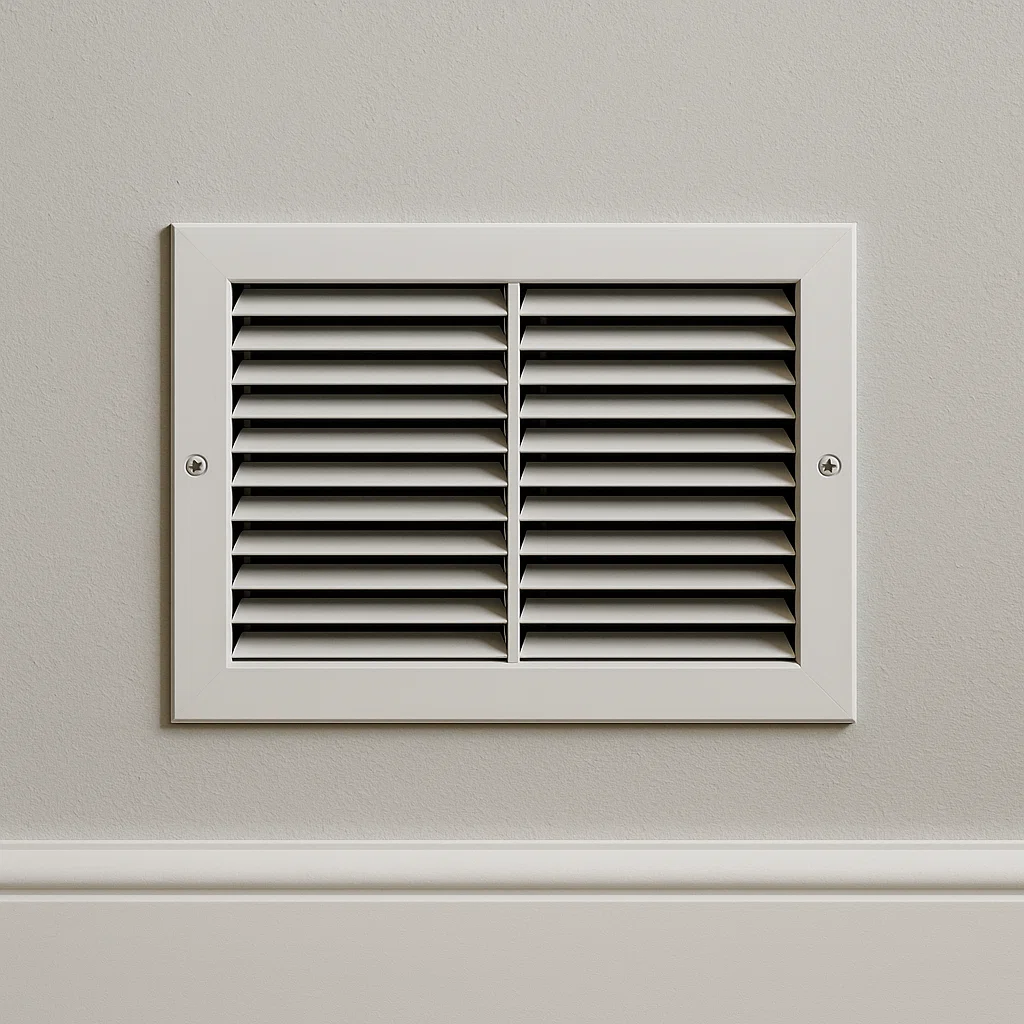
We start with a short walkthrough to count registers, locate the air handler, and note anything unique about your layout. Drop cloths protect the work area, and furniture pads prevent hose contact with corners. Pets can be gated or leashed during setup so doors aren’t opening and closing as we stage equipment.
The heart of the service is a temporary connection that pulls your ductwork under negative pressure. Think of it like turning the entire system into a big vacuum. Our truck‑mounted unit draws dust and dislodged particles out through a sealed hose so they never enter the living space.
While the vacuum runs, we open each register and brush the interior of the duct to loosen residues. Flexible whips and soft bristle heads follow turns in the branch lines without damaging metal or flex duct. We pay special attention to first ten feet of each run—the part that collects the most dust from daily airflow.
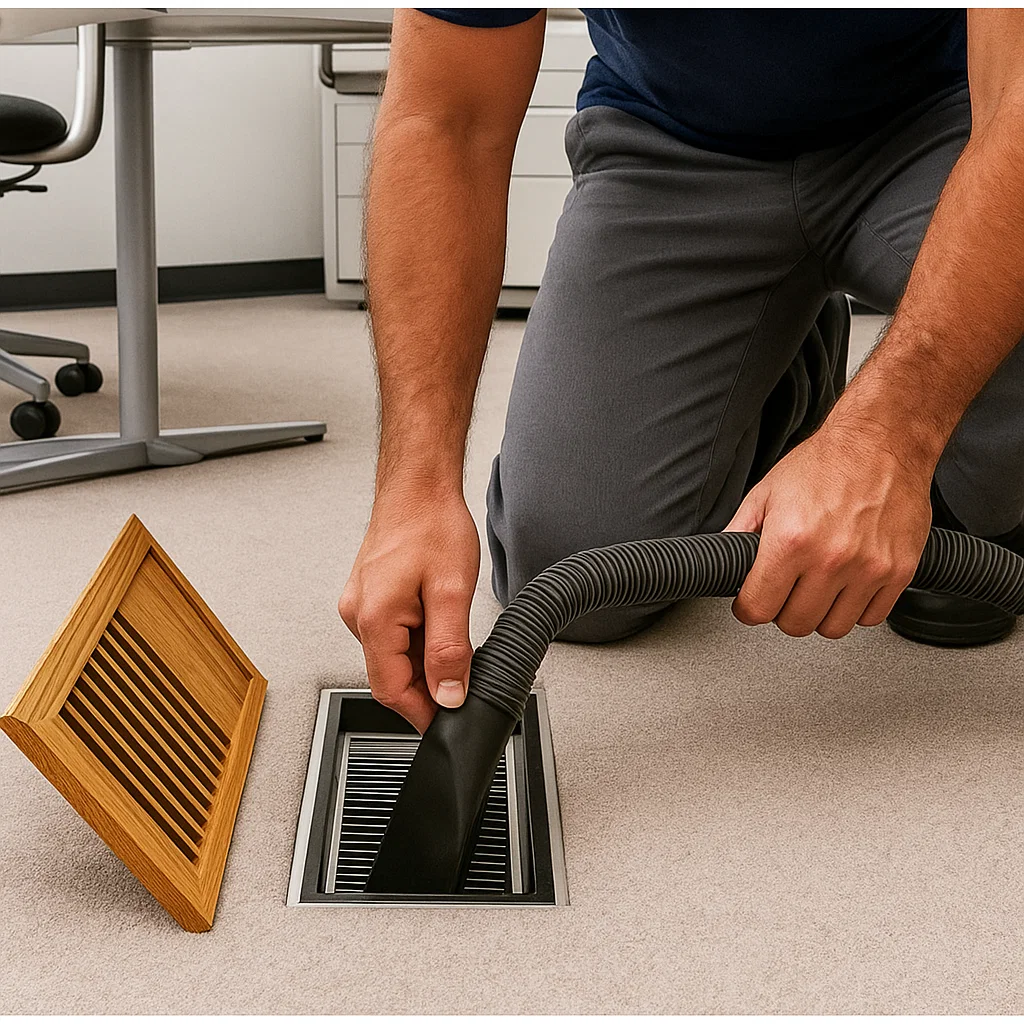
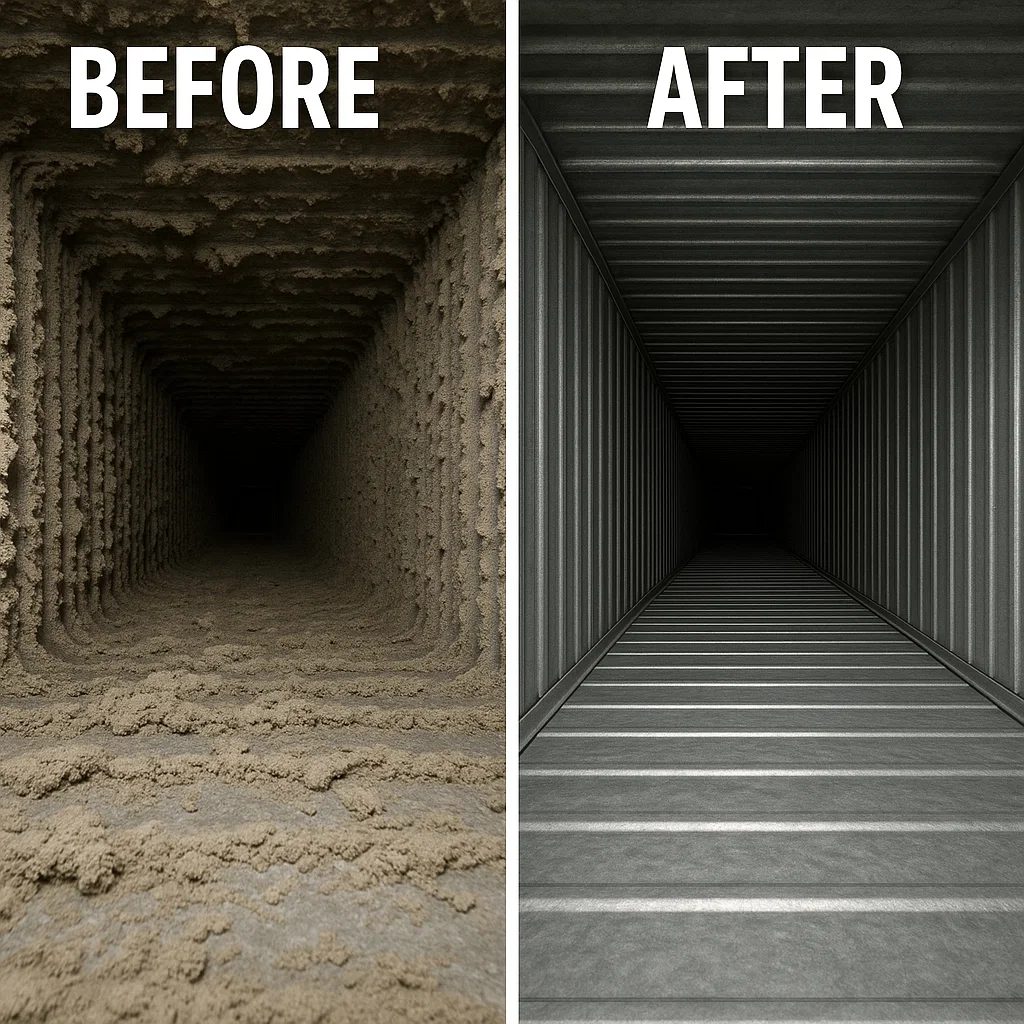
We remove and clean return grilles, then vacuum the accessible return plenum. When the system design allows, we also clean the blower compartment and accessible coil housing. If we spot anything that needs an HVAC tech—damaged insulation, chronic moisture, or a drain issue—we’ll show you photos and recommend the right next step.
Before we pack up, we verify suction at each register, make sure everything is re‑attached and seated, and wipe the work areas. You’ll have a chance to look at debris captured in the truck filter bag (it’s oddly satisfying!).
Run the blower for about an hour with a new filter installed. If you have ceiling fan blades or high shelves that were dusty beforehand, give them a quick wipe to prevent debris from dropping back into the system. Then enjoy the reset—clean registers, quieter blower cycles, and that “nothing” smell that simply means clean air.
Answer a few quick questions online and we’ll suggest timing, prep, and estimated visit length.